Why Most Rehab Fails Active Adults Who Want to Keep Training
- Alexis Piarulli
- Jan 26
- 3 min read

If you’re an active adult dealing with pain, you’ve probably heard some version of this advice: “Take time off.”“Stop doing that movement.”“Just rest until it calms down.”
And while rest can be useful in short windows, it often leaves active people feeling stuck, frustrated, and unsure how to move forward. Most rehab wasn’t designed for people who want to keep training, it was designed to reduce symptoms and not build capacity for real-life demands like lifting, running, surfing, or sport. That gap is exactly why so many active adults feel like rehab “kind of worked”… but never fully solved the problem.
Rehab Often Prioritizes Pain Relief Over Performance
Traditional rehab models are usually focused on calming symptoms as quickly as possible. That can be helpful early on, but it’s rarely enough. Pain relief doesn’t automatically mean:
• Better coordination
• Improved load tolerance
• Confidence under fatigue
• Readiness to return to training
When rehab stops at “you feel better,” people return to training with the same movement strategies that contributed to the issue in the first place. That’s why pain often returns as soon as intensity goes up. Active adults don’t just need pain reduction, they need preparation.
Active Bodies Don’t Respond Well to Avoidance-Based Rehab
Another common issue is avoidance. Many rehab plans rely heavily on removing movements, loads, or activities for long periods of time. While this can reduce symptoms temporarily, it often comes at a cost:
• Deconditioning • Loss of confidence
• Increased fear around movement
• Poor transition back to training
Active people are adaptable but they need guidance, not shutdowns. Rehab that doesn’t teach how to move, load, and recover intelligently often forces people into one of two paths:
Stop moving and feel worse overall
Ignore rehab and push through blindly
Neither leads to long-term success.
Rehab That Ignores Training Goals Misses the Point
One of the biggest disconnects we see is rehab that treats pain in isolation without considering what the person actually wants to return to. Training isn’t optional for many active adults. It’s part of their identity, stress management, mental health, and community.
When rehab doesn’t account for sport, lifting, or lifestyle demands, it creates a mismatch between therapy and reality. Exercises feel disconnected, progress feels unclear and motivation drops. Effective rehab for active adults must bridge the gap between therapy and training, not separate them.
Why “Getting Stronger” Isn’t Always Enough
Strength is important but it’s not the whole picture. Many active adults are already strong. They don’t struggle because they’re weak; they struggle because their body isn’t coordinating force efficiently under real-world demands.
Without addressing things like:
• Movement asymmetries
• Breathing and trunk control
• Nervous system tolerance
• Load management strategies
Strength alone doesn’t fix the problem. It just masks it until volume, speed, or fatigue expose the gap again.
What Active Adults Actually Need From Rehab
Rehab that works for active adults looks different.
It:
• Respects that you want to keep training
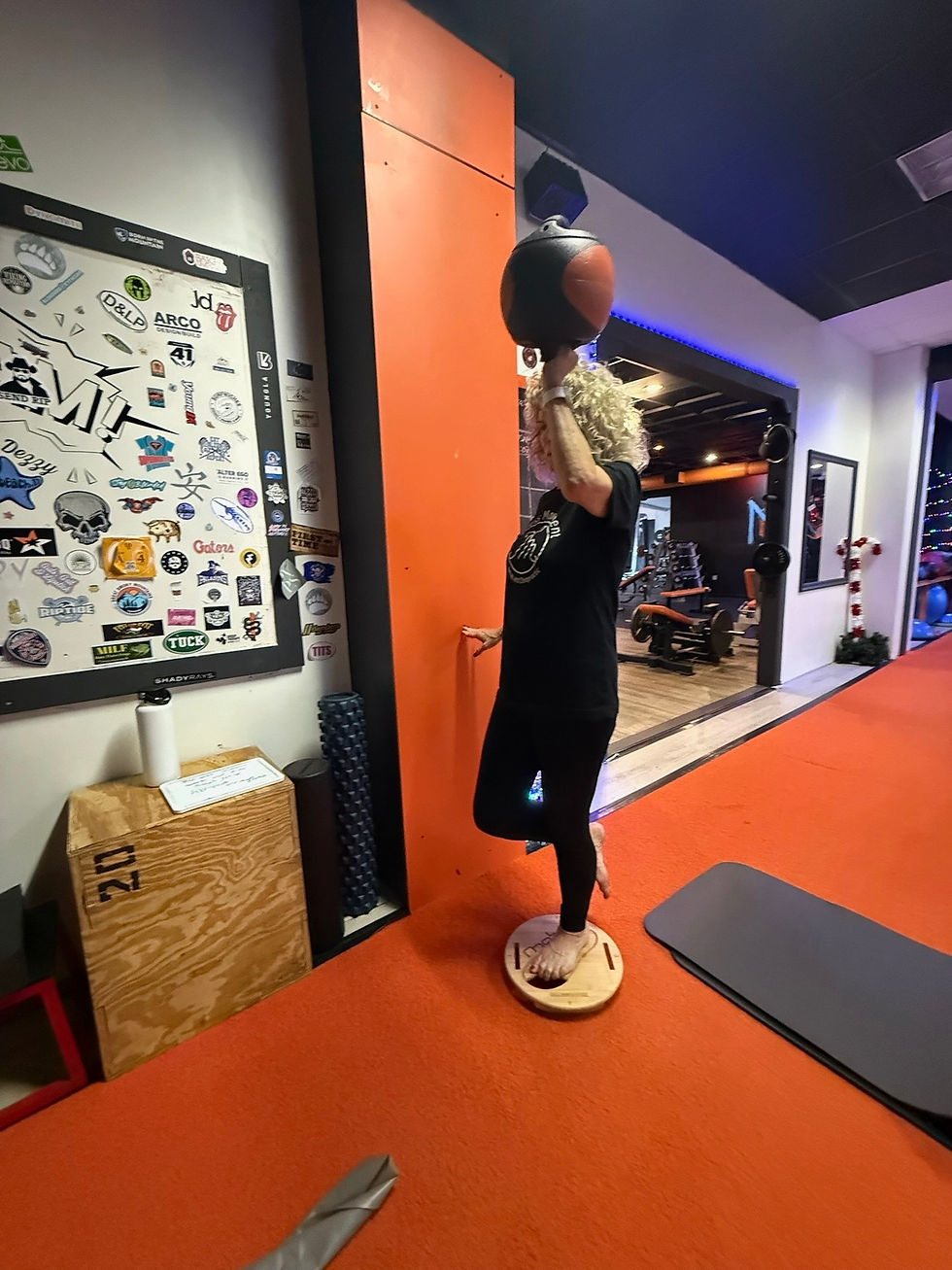
• Integrates rehab into movement, not away from it
• Builds confidence alongside capacity
• Progresses toward real-life demands
• Teaches you how to adapt, not avoid
At Fearless Movement, rehab is not about pulling you out of training, it’s about making training safer, smarter, and more sustainable. We don’t just ask, “Does it hurt?” We ask, “Can your body handle what you’re asking it to do?”
Rehab Should Prepare You for Life, Not Pause It
Active adults don’t fail rehab because they’re too driven. They fail rehab because the model wasn’t built for them. When rehab is designed to support movement, performance, and long-term resilience (not just symptom relief) outcomes change dramatically.
If you’ve felt caught between “rest forever” and “push through,” it’s not a personal failure. It’s a sign you need a different approach that helps you keep training with clarity, confidence, and direction.


Comments